

World Bee Day: 200+ Years of Honey Bees in Australia

Key Takeaways
|
As World Bee Day approaches on 20 May, it’s an opportunity to reflect on the history and impact of honey bees in Australia. From their arrival on Australian shores to their role in supporting agriculture today, they remain a vital part of both our ecosystems and food systems.
While honey bees are not the only pollinators - they are among the most influential. Their contribution to biodiversity, crop production, and environmental balance is both significant and far-reaching.
The introduction of European honey bees to Australia
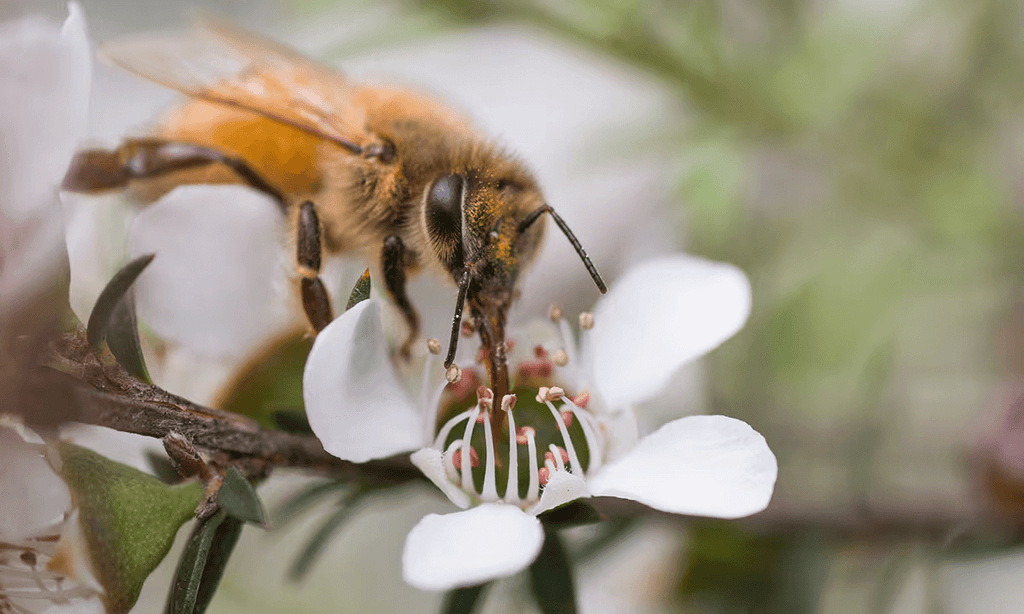
In 1822, European honey bees were first successfully introduced to Australia, arriving at Sydney Cove aboard the ship Isabella. Well suited to local conditions, they adapted quickly and established thriving colonies across diverse regions.
Australia is also home to more than 1,500 native bee species, many of which play important roles in pollination. However, it is the introduced European honey bee (Apis mellifera) that underpins most commercial honey production today.
The role of bees in food production
Honey bees play a central role in pollinating agricultural and horticultural crops across Australia and globally. Pollinators are estimated to influence around 35% of global crop production, supporting the yield and quality of many fruits, vegetables, nuts, and seeds (1).
In Australia, honey bee pollination contributes significantly to the agricultural economy. Recent estimates suggest crops worth $12.9 billion annually are at least partly reliant on honey bee pollination (2).
The industry itself includes tens of thousands of registered beekeepers managing hundreds of thousands of hives, producing honey that is exported to markets around the world (3).
Threats facing bee populations
Bee populations globally - and increasingly in Australia - face multiple pressures. These include:
-
Habitat loss and reduced floral diversity
-
Exposure to pesticides and herbicides
-
Disease and parasites
-
Climate variability
-
The spread of Varroa mite, now one of the most significant threats to European honey bees in Australia
How Biosota Supports Bee Health
Healthy bees depend on clean environments and stable ecosystems. At Biosota Organics, our approach is centred on maintaining conditions that support natural bee behaviour and hive health.
Our practices include:
-
Selecting remote, pristine bee sites away from highways, intensive agriculture, and pollutants
-
Managing hives without antibiotics
-
Allowing bees to forage freely in natural environments
-
Avoiding overstocking to reduce stress on colonies
-
Producing honey that is glyphosate-free, non-GMO, and minimally processed
-
Extracting honey at temperatures aligned with the hive to preserve its natural properties
Selected Biosota Manuka honey ranges are certified organic, and every batch is independently tested to verify purity and MGO potency.
Celebrating World Bee Day
World Bee Day is a moment to recognise the role bees play in sustaining ecosystems, agriculture, and food systems around the world.
It also highlights the importance of how we care for them - through thoughtful, responsible beekeeping practices that support their health and the environments they depend on.
To learn more about Biosota’s potent high-MGO Manuka honey that is produced by our amazing bees, browse our range here.
Frequently Asked Questions
What is World Bee Day and when is it celebrated?
World Bee Day is an annual United Nations observance held on 20 May. It raises awareness of the role bees and other pollinators play in ecosystems and food production. The date honours Anton Janša, a pioneer of modern beekeeping, born on 20 May 1734.
Why are bees important to Australia?
Bees are critical to Australia’s food system. They pollinate a wide range of crops, with agricultural production worth billions of dollars annually relying at least in part on honey bee pollination.
When did honey bees arrive in Australia?
European honey bees were first successfully introduced in 1822, arriving at Sydney Cove. Since then, they have become the foundation of Australia’s commercial honey industry.
How many beekeepers are there in Australia?
Australia has tens of thousands of registered beekeepers managing hundreds of thousands of hives and producing honey for both domestic use and export.
What threatens bee populations today?
Key threats include habitat loss, pesticide exposure, disease, climate pressures, and the spread of Varroa mite, which poses a significant risk to honey bee colonies.
What makes Biosota Manuka honey different?
Biosota produces premium Australian Manuka honey using remote bee sites and low-intervention beekeeping practices. Selected ranges are certified organic, and all honey is independently tested for purity and verified MGO potency.
References
- FAO – Pollination (official page):
Link: https://www.fao.org/pollination/about/en - Gillespie, R., Clarke, M., & Frost, E. (2024). Value of honey bee pollination to the Australian economy. February 2024. NSW Parliament.
Link: https://www.parliament.nsw.gov.au/lcdocs/other/22743/24-111-value-of-pollination.pdf - BeeAware (Plant Health Australia). Australian honey bee industry overview.
Link: https://beeaware.org.au/industry
Leave a comment